
AI
AI for Construction Companies in Chicago: The 2026 Implementation Guide
AI for construction companies is no longer a software purchase — it is an operating decision. This guide explains, in plain terms, what it takes for a Chicago construction or real estate business — a general contractor, developer, architect, roofing, plumbing, HVAC, or electrical company — to actually run on AI: what gets built, what changes for each role, what it costs, and where rollouts fail.
Why "we bought ChatGPT seats" doesn't work
Most contractors who try AI follow the same arc: someone buys a few subscriptions, two people use it to rewrite emails, and within a month it's forgotten. Nothing failed technically. What was missing is structure — the AI knew nothing about the company, nobody's job changed shape, and there was no system connecting the tool to the actual work: estimates, RFIs, invoices, daily reports, permits.
An AI implementation is the opposite of a subscription. It means your company's knowledge, roles, and workflows are rebuilt inside a secure enterprise AI workspace, so the AI operates with the same context a 10-year employee has.
What actually gets installed
A complete implementation for a 15–50 person company has four layers:
1. Role-trained assistants. Every employee gets an AI account configured for their exact job. The estimator's assistant knows your unit costs, markup rules, and proposal format. The project manager's knows your subcontractors, submittal templates, and schedule logic. The office admin's knows your invoice workflow and lien-waiver requirements.
2. A private company knowledge base. Contracts, specs, price books, past project files, SOPs, and safety documentation become one searchable brain. A superintendent can ask "what did we spec for the roof membrane on the Elmhurst job?" from a phone and get the answer with the source document.
3. Automated workflows. The recurring paperwork that consumes 19–29 hours per manager per week — daily report summaries, bid follow-ups, invoice tracking, permit deadline monitoring — runs on schedule instead of on memory.
4. Permissions and governance. Field crews, office staff, and ownership see different things. Data stays inside an enterprise workspace where it is never used to train public models, with single sign-on and audit logs.
What changes, role by role
Estimating: proposals that took an afternoon are drafted in minutes from your own price data, then reviewed by a human before they go out.
Project management: RFIs, change orders, and submittals are drafted from project context; meeting notes become action lists automatically.
Field: crews photograph delivery tickets, invoices, and drawings; the system reads, files, and routes them. Spec questions get sourced answers on site.
Office and finance: unpaid invoices buried in email threads are surfaced, linked to the right job, and chased automatically.
Sales: every inquiry gets a same-day, on-brand response, and no follow-up slips.
The 30-day process
Audit (week 1). We map your roles, tools, documents, and where the hours actually go. You receive a written AI blueprint with the ROI math before anything is built.
Install (weeks 2–3). We build the workspace: an account per employee, role assistants, the knowledge base, and your first automations.
Train (week 4). Live, role-based training on your team's real work — not generic demos. Adoption, not access, is the goal.
After launch, most companies keep a monthly optimization retainer: new workflows, onboarding new hires, and a quarterly review of what is and isn't being used.
What it costs, honestly
The audit and blueprint is a fixed fee, so the ROI case is on paper before you commit. Full implementations are quoted per company by headcount and complexity. Seat licenses for the AI platform are paid by you directly to the provider — a serious implementation partner never marks up licenses, because its incentive should be your adoption, not your seat count.
For context on the return side: in mid-sized construction operations, administrative coordination consumes the equivalent of $300K–$600K in management time annually, and a single day of idle crews runs $5K–$15K per active site. An implementation that recovers even a fraction of that pays for itself inside the first quarter.
Why Chicago first
Chicago's building economy — dense with mid-sized GCs, trade contractors, and developers — is exactly the company profile where AI implementation pays back fastest: enough projects and paperwork to bleed real money on coordination, small enough that a 30-day install covers the whole company. FOS AI serves Chicago and Illinois first, with New York next; audits and most build work can be done remotely for companies elsewhere in the United States.
Common questions
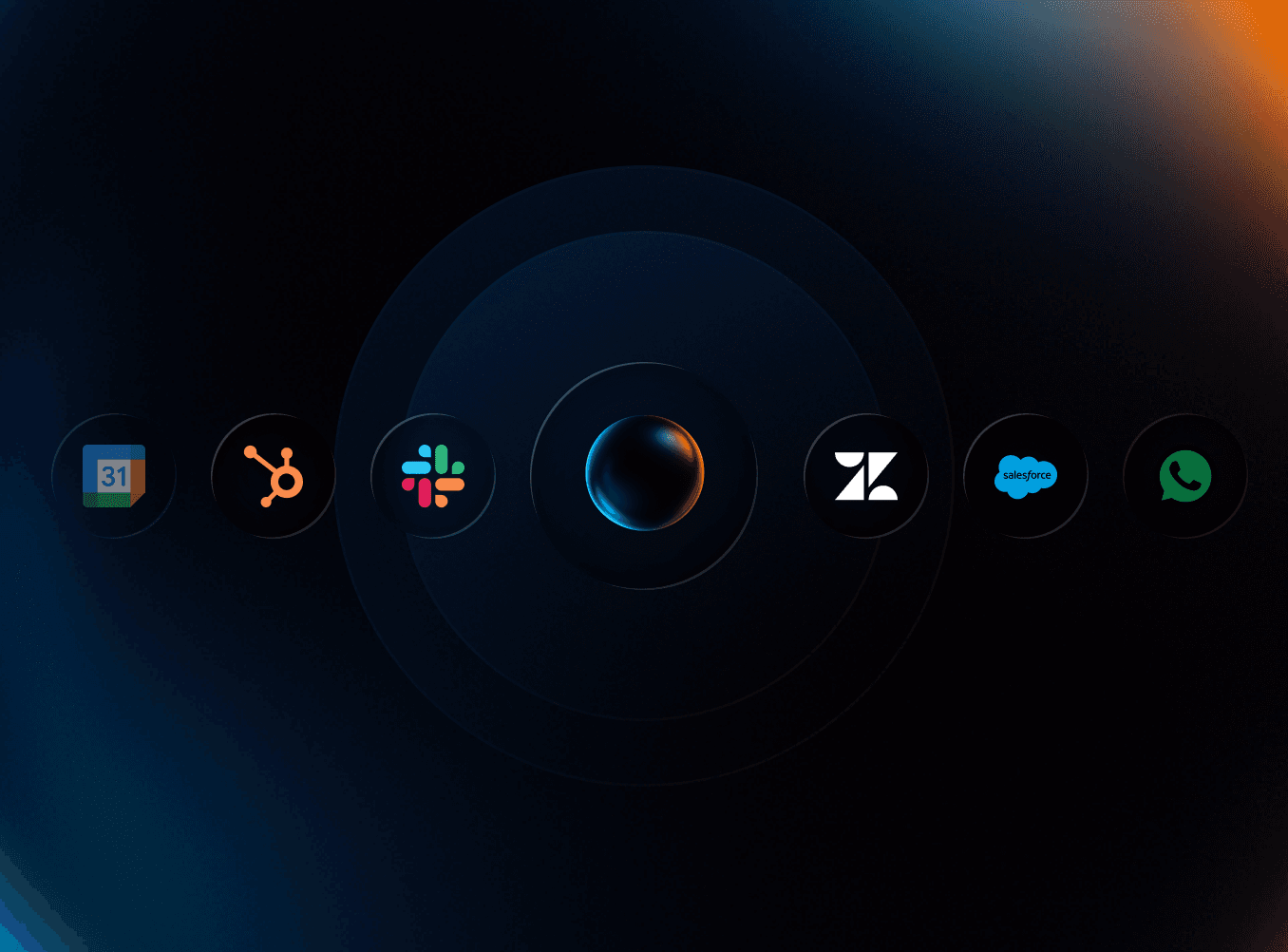
Do we replace our current software? No. CRM, accounting, project management, email, and drives all stay. The AI layer connects to them.
Is our data safe? Implementations are built on enterprise-grade AI platforms: your data is not used to train public models, access is role-based, and everything built — structure, prompts, knowledge base — belongs to you.
What if the AI models change? They will. The structure is the asset: role playbooks, knowledge base, and workflows carry over, and the model behind them upgrades like an engine swap.
FOS AI is an AI implementation company for real estate and construction businesses, serving Chicago and Illinois first. Start with an audit: request a strategic demo.
## What this costs in 2026, with real numbers
FOS AI publishes its pricing, which is rare in this space. The [Blueprint](/pricing) is a fixed $1,900: one week inside your company, ending in a written migration plan with the ROI math, fully credited if you continue. The Full Migration runs $6,000 base plus $550 per person, so most 10 to 50 person companies land between $9,500 and $32,000, installed and trained in about 30 days. After launch, Care runs from $950 a month. AI platform licenses, about $25 to $30 per person per month, are paid directly to the provider with zero markup. The adoption guarantee is in writing: if your team is not using the system daily by day 30, the work continues at no extra cost until they are. Full details on the [pricing page](/pricing) and the [how it works page](/how-it-works).
Share Blog